
The broker sent a carrier agreement. Does your insurance match it?
Commercial truck insurance for Texas fleets and owner-operators, checked against the agreements you haul under and the filings that keep you running. Talk to a licensed specialist. No charge.
- Read by a licensed agent, not a call center
- FMCSA and TxDMV filings checked
- Texas fleets and owner-operators
Trucking companies call us at one of three moments.
A broker agreement or carrier packet flagged your insurance
Cargo limit too low, reefer breakdown missing, a unit not on the policy, the wrong legal name. Until it clears, you can’t book their loads.
Your renewal came back high, or not at all
A big increase or a non-renewal notice usually traces to something specific: losses, a driver, radius, CSA data or the market. The fix starts with knowing which.
You’re growing: new authority, more trucks, leased owner-operators
Each step changes your filings and your policy. A new MC number needs its filings posted before you can run; each new unit and driver has to be on the policy before it hauls.
See your company the way an underwriter does.
Underwriters pull your public FMCSA record before they quote: authority, insurance on file, inspections, out-of-service rates and when you last updated your MCS-150. Enter your USDOT number and see the same record, with notes on what stands out.
Same policy form, different exposure. It depends what you haul.
 Dry van & reeferCargo terms, theft conditions and reefer breakdown decide the claim.
 Flatbed & heavy haulSecurement, high-value machinery, oversize permits and escorts.
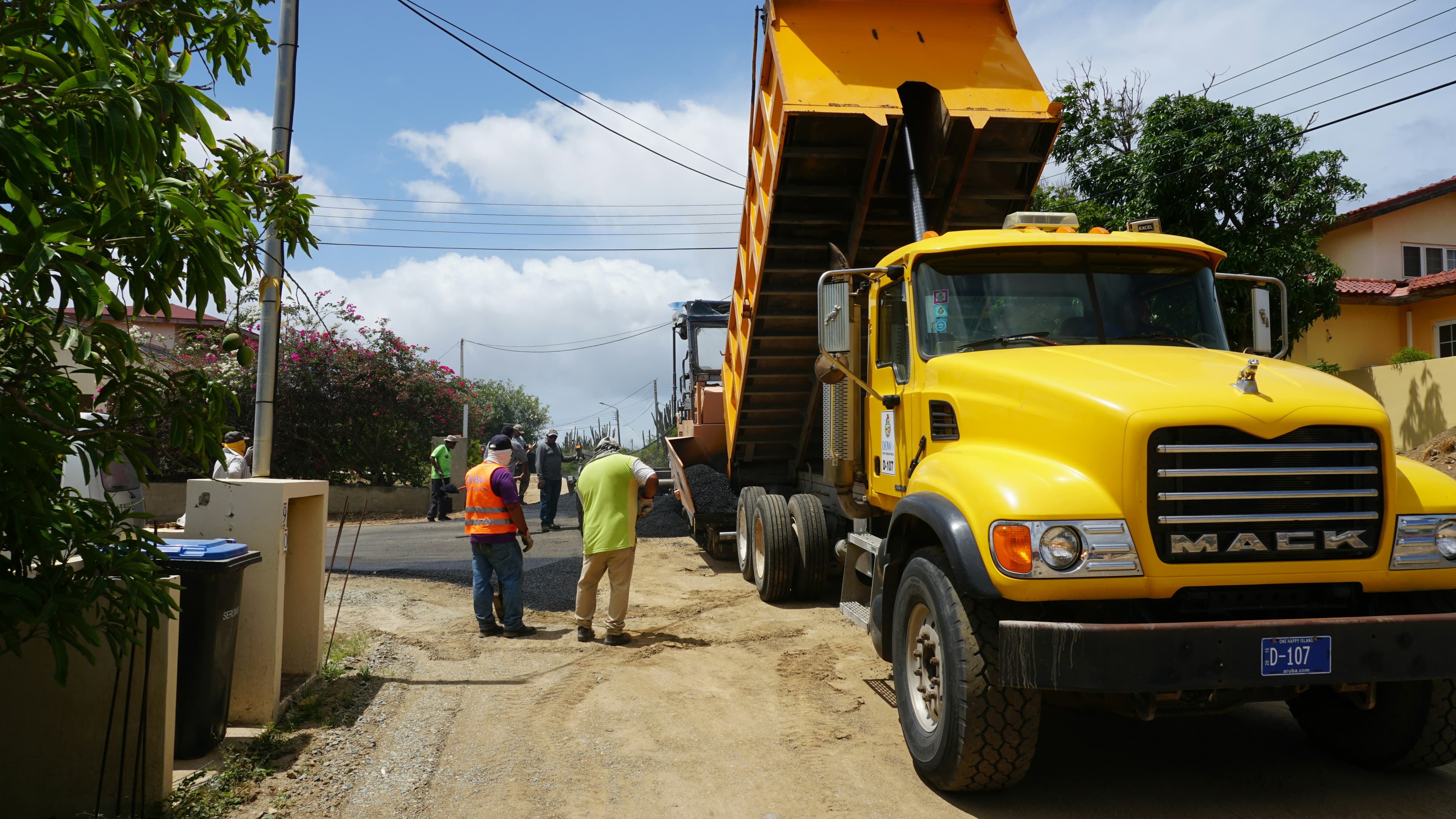 Dump & aggregateJob sites, general contractor agreements and off-road exposure.
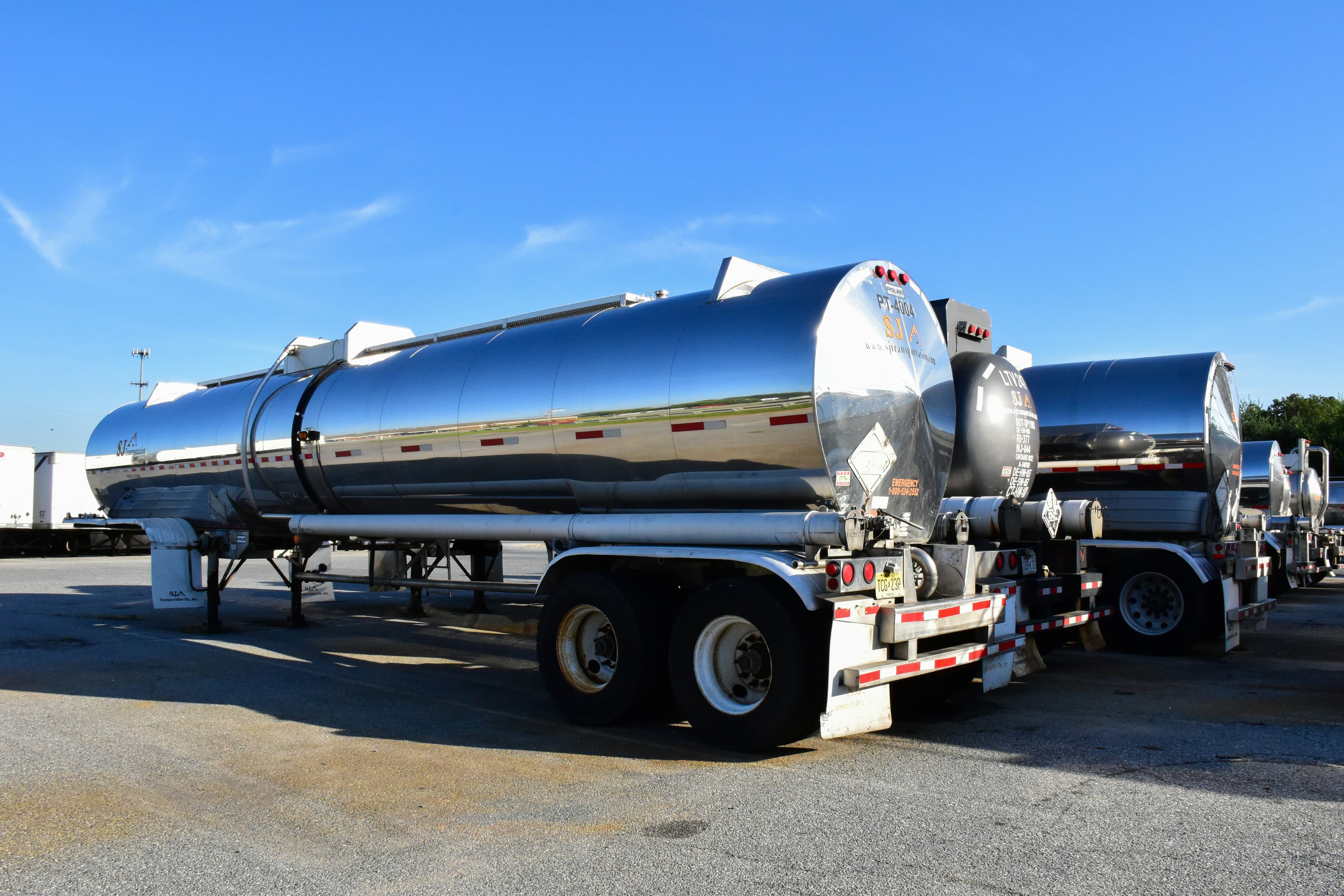 Tanker & hazmatHigher federal minimums, pollution and the MCS-90 tiers.
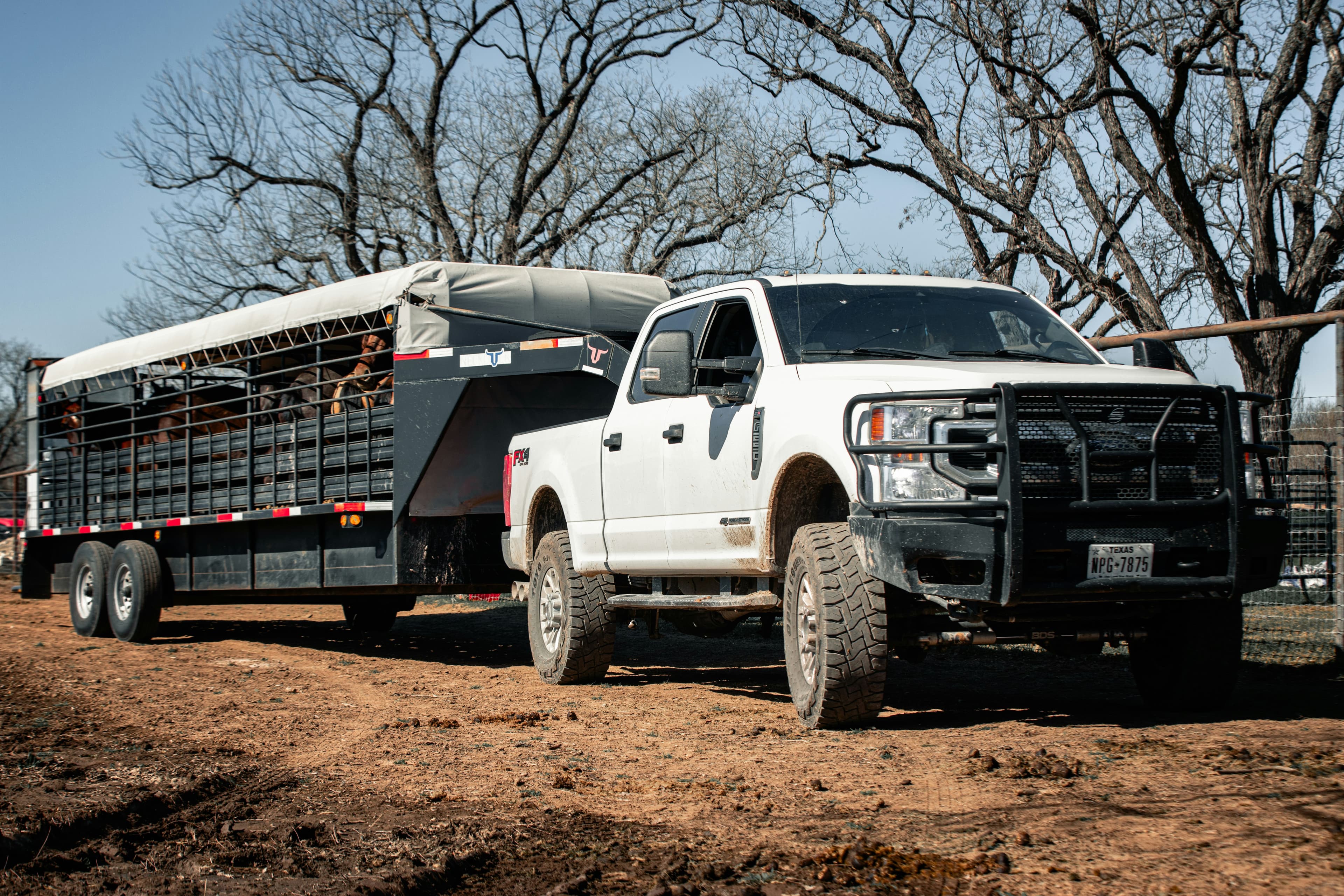 HotshotPickup and gooseneck rigs under their own authority.
 Oilfield haulingWater, sand and crude on lease roads, with RRC permits.
Also: box trucks, car haulers, tow trucks, drayage, livestock, cross-border.
Where a carrier packet rejects your certificate.
Broker onboarding reads your certificate against the agreement, and often against your FMCSA record too. A mismatch on any line holds up the setup. These are the spots that bounce.
Sample trucking certificate: where onboarding fails
- 1Name does not match FMCSA. The certificate says "LLC" but the USDOT record and operating authority say "Inc." Onboarding checks compare the two, including DBAs.
- 2Unit not on the schedule. Auto liability is written on scheduled autos, and the truck dispatched on the load is not on the list. The broker may ask for the VIN to be added.
- 3Cargo limit below the agreement. A $50,000 cargo limit against a broker-carrier agreement that asks for $100,000 fails, however clean the rest is.
- 4Reefer breakdown not shown. A refrigerated carrier with nothing showing reefer breakdown coverage. Many cargo forms leave out spoilage from unit failure unless it is added.
- 5Holder name or address wrong. The broker's legal name or mailing address does not match its setup instructions, so the certificate is sent back.
- 6Policy period expired. Last term's certificate. Dates are the first thing an automated check reads.
- 7Additional insured box without the endorsement. An X under ADDL INSD does not add anyone to the policy. If the agreement asks for it, the policy needs an endorsement.
- 8No cancellation notice to the holder. The standard wording only points to the policy provisions. A promise to notify the holder takes an endorsement on the policy.
Paste your broker agreement. See what it asks your insurance to do.
The free decoder pulls out the liability and cargo limits, the cargo terms, endorsements and paperwork, explains what each needs from your policy, and flags where carrier packets usually push back. It runs in your browser.
Federal law sets the floor. Your contracts set the real number.
FMCSA minimums depend on what you haul, and the MCS-90 guarantees them to the public. Brokers and shippers usually ask for more, and an umbrella sits on top when a contract or a serious accident goes past the primary limit.
FMCSA insurance minimums, explainedHow a trucking liability tower stacks
From the ports to the Panhandle.
All Texas locationsQuestions owners ask us
All questions- What is a BMC-91X filing?
- What is the MCS-90 endorsement?
- What is a Texas Form E?
- What insurance do Texas intrastate trucking companies need?
- What are the FMCSA minimum insurance limits for trucks?
- Why do freight brokers require $1 million in auto liability?
- How much cargo insurance do brokers require?
- What is the difference between scheduled auto and any auto?
- Which drivers can trucking insurance cover?
- How much does truck insurance cost in Texas?
- How do CSA scores affect truck insurance?
- What is an out-of-service rate?
How working with us works
Who will I be talking to?
A licensed insurance agent who works with Texas trucking companies and reads broker-carrier agreements, carrier packets and loss runs every week. Not a call center and not a lead-reselling site.
Does a review or a conversation cost anything?
No. Talking through your program and checking a broker or shipper agreement against your current policies is free, with no obligation to move anything.
What should I have ready?
Your USDOT number, your current certificate or declarations pages, and the insurance section of any agreement you are hauling under. Loss runs help if a renewal is coming. None of it is required to start.
Do you work with owner-operators or only fleets?
Both: owner-operators with their own authority and fleets of every size, interstate and intrastate. Owner-operators leased onto another carrier usually need non-trucking liability, physical damage and occupational accident rather than primary liability.
Can you help if my renewal is months away?
Yes, and that is the best time. Underwriters want clean submissions with loss runs, driver lists and unit schedules; the earlier those are ready, the more options there are.
How is coverage placed?
Coverage is placed through a licensed Texas insurance agency. We explain insurance, not law, so indemnity and contract wording should also go past your attorney.

Talk to a trucking insurance specialist.
- Response time
- Within one business day
- No obligation
- A conversation and a review, not a pitch
- Built for trucking
- Broker agreements, cargo terms, filings
- Prefer to call?
- 972-532-1861
Have a broker or shipper agreement in hand? Send it for an agreement review.
Coverage is placed through a licensed Texas insurance agency. We explain insurance, not law: indemnity and contract wording belongs with your attorney.