The short version
- The Port of Corpus Christi moved 203.4 million tons in 2025, including 127.4 million tons of crude oil and 18.6 million tons of LNG, and calls itself the third largest U.S. port by total waterborne tonnage.
- TxDOT lists highway connections to US 181/SH 35, I-37, SH 361 and I-69, plus the Joe Fulton International Trade Corridor from the inner harbor.
- Energy freight drives local trucking: tankers, hazmat, oilfield support and oversize wind turbine components. Pollution and higher liability limits matter here.
- Hurricane Harvey made landfall near Rockport on August 25, 2017 as a Category 4 storm, per the NWS. Coastal Bend carriers should treat comprehensive physical damage as essential.
An energy export port
The Port of Corpus Christi reported 203.4 million tons moved through the Corpus Christi Ship Channel in 2025, down 1.5% from 206.5 million tons in 2024. Crude oil was 127.4 million tons, and LNG exports rose 15.4% to 18.6 million tons. The port describes itself as the third largest port in the United States in total waterborne tonnage.
TxDOT's 2024-2025 port profile adds the landside picture:
- Road: US 181/SH 35, I-37, SH 361 and I-69, with access to the Joe Fulton International Trade Corridor from the inner harbor
- Rail: the port-owned Corpus Christi Rail Terminal switching railroad with connections to Union Pacific, BNSF and Kansas City Southern de Mexico
- Military: the port is also a strategic military port
- Wind cargo: the port has been handling increasing volumes of wind turbine cargo through multiple docks and open storage
TxDOT also notes construction to raise the harbor bridge clearance from 138 to 205 feet. Bridge and approach construction changes routes for trucks working the inner harbor, so keep routing current.
Tankers, hazmat and oilfield support
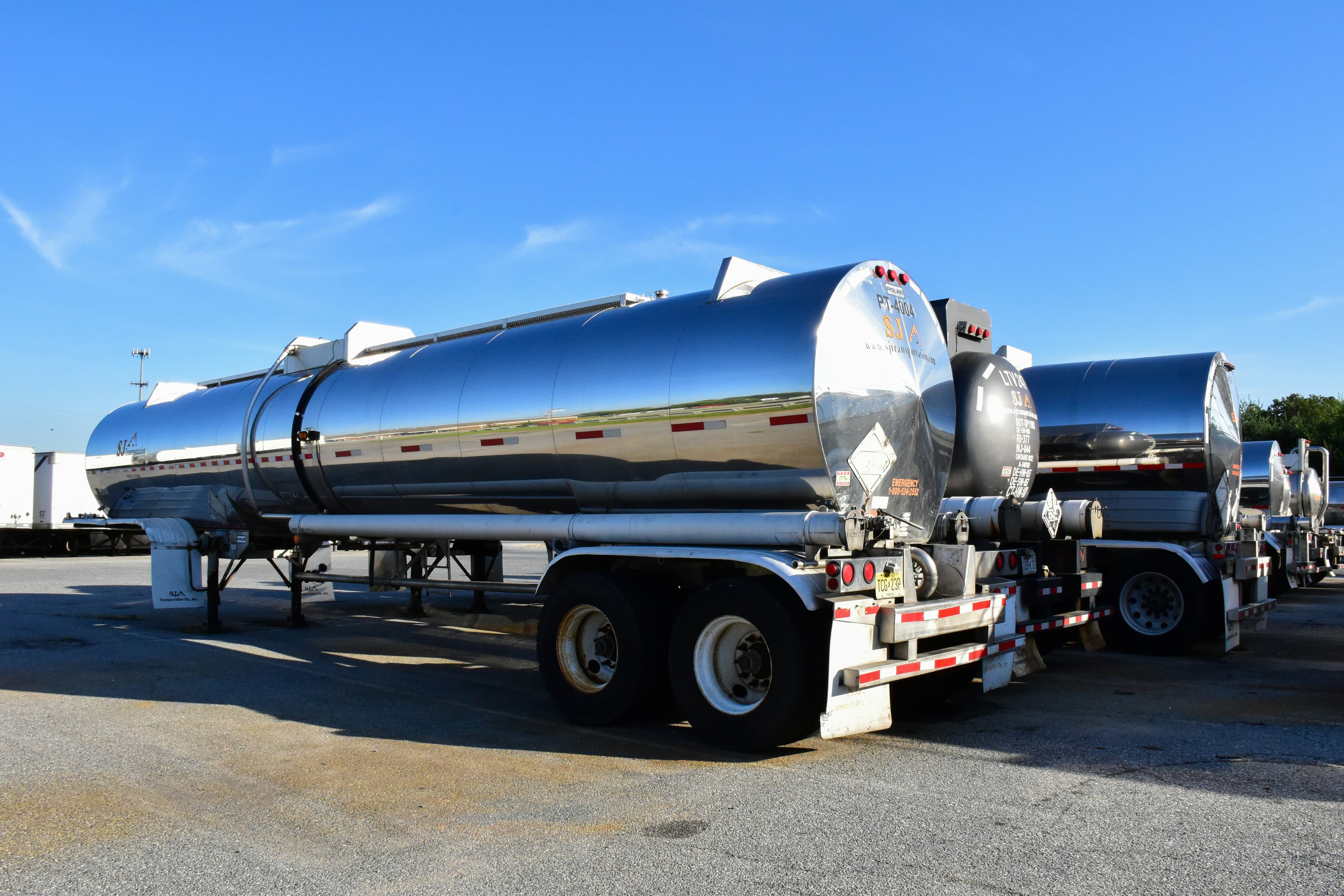
The ship channel's crude and LNG volumes are not truck freight, but trucks still carry fuel, chemicals, condensate, produced water and oilfield equipment around the Coastal Bend and up I-37 toward the Eagle Ford. That work comes with specific coverage needs:
- Tank trucks for fuel and chemicals. See tanker truck insurance.
- Placarded loads, which change the federal minimum. See hazmat trucking insurance and FMCSA truck insurance minimums.
- Oilfield hauling under master service agreements. See oilfield trucking insurance.
- Pollution coverage for releases on the road or during transfer. See truck pollution liability.
If your customer is a terminal, refinery or energy company, the contract will probably ask for limits above your primary policy, additional insured status and a waiver of subrogation. See shipper contract insurance requirements.
How a trucking liability tower stacks
Wind blades, project cargo and heavy haul
Wind turbine blades, towers and nacelles are long, heavy and expensive. Moving them out of the port means oversize permits, escorts and routes chosen around bridges and turns. On the insurance side:
- The cargo value can be far above a standard cargo limit, and some cargo forms exclude or restrict certain equipment. See motor truck cargo insurance.
- Specialized trailers need to be scheduled with realistic values for physical damage. See truck physical damage insurance.
- Oversize operations are rated differently from standard flatbed. See heavy haul insurance and flatbed trucking insurance.
Hurricane exposure on the Coastal Bend
The NWS Corpus Christi office records that Hurricane Harvey made landfall near Rockport and Fulton on August 25, 2017 as a Category 4 hurricane with 130 mph sustained winds, after first crossing San Jose Island.
Wind, surge and flood damage to parked equipment is covered only by comprehensive physical damage. Check that every truck and trailer is scheduled and valued correctly before hurricane season, and know your deductible. Cargo in a yard during a storm raises separate questions about unattended vehicles and named perils. See what does cargo insurance exclude.
TxDMV lists a Corpus Christi regional service center among its 18 centers. It handles IRP credentials and temporary operating authority for established accounts.
Common questions
Do I need pollution coverage to haul fuel around Corpus Christi?
Standard truck liability policies limit pollution coverage, and customers who ship fuel or chemicals usually require specific pollution coverage. See truck pollution liability.
Can a standard flatbed policy cover wind blade moves out of the port?
Often not without changes. Oversize moves, specialized trailers and high-value cargo usually need a heavy haul program, a higher cargo limit and the right permits. See heavy haul insurance.
I haul oilfield equipment and fluids out of Corpus Christi. Is that oilfield coverage or trucking coverage?
Usually both questions come up. The truck needs commercial auto liability and the right filings like any other carrier, while the energy customer's master service agreement adds indemnity, additional insured and pollution requirements. See oilfield trucking insurance and shipper contract insurance requirements.
When should a Coastal Bend carrier review coverage for hurricane season?
Well before a storm is in the Gulf. Insurers commonly restrict binding new coverage or adding units once a named storm threatens the coast, so last-minute changes may not be accepted. Review unit values, deductibles and where trucks will be parked early in the year. See truck physical damage insurance.
Sources
- Port of Corpus Christi: Q4 2025 volumes and annual tonnage. 2025 tonnage, crude and LNG volumes, third largest U.S. port by waterborne tonnage.
- TxDOT Maritime Division: Port of Corpus Christi profile (2024-2025). Highway and rail connections, Joe Fulton corridor, strategic military port, wind cargo, harbor bridge clearance.
- National Weather Service: Hurricane Harvey. Landfall near Rockport, Aug. 25, 2017, Category 4, 130 mph.
- TxDMV: Regional Service Centers. Corpus Christi center and its services.
This page explains insurance, not law. Have your attorney review indemnity and contract language; our job is making the insurance match it.
Keep reading
By operation
What insurance does a Texas tanker operation need?
By operation
What insurance does a Texas hazmat carrier need?
By operation
What insurance does a Texas oilfield trucking company need?
By operation
What insurance does a Texas heavy haul carrier need for oversize and overweight loads?
Coverage
Truck pollution liability: when a spill is covered and when it is yours
Locations
What do San Antonio trucking companies need from their insurance?