The short version
- Midland County is in Railroad Commission District 08, the busiest oil and gas district in Texas. In July 2026, District 08 issued 275 permits to drill new holes, more than any other district.
- Much of Midland trucking is oilfield trucking: produced water, crude, frac sand, pipe and equipment. Those loads carry pollution and contract exposure that a general freight policy may not address.
- Hauling non-hazardous oil and gas waste such as produced water for hire requires an RRC waste hauler permit, which requires an active Form P-5 and renews every year.
- I-20 is the main route, and the future I-27W branch is planned through Midland. Lease roads, not highways, are where many oilfield truck claims start.
Midland in Permian terms
The Railroad Commission's District 08 office is in Midland at 10 Desta Drive, and the RRC places both Midland and Ector counties in District 08. The volume difference with the rest of the state is large:
| RRC district | Permits to drill new holes | New oil completions | New gas completions |
|---|---|---|---|
| 08 (Midland) | 275 | 360 | 72 |
| 7C (San Angelo) | 70 | 91 | 0 |
| 8A (Lubbock) | 37 | 10 | 0 |
Why drilling numbers matter to a trucker
Every new well means rig moves, frac sand, water in and water out, pipe and production equipment. When permits and completions rise, trucking demand on lease roads follows, and so does the exposure underwriters see on Midland applications.
What Midland trucks actually haul
The loads that move out of Midland yards are mostly oilfield loads, and each one has its own insurance problem:
- Produced water and flowback. Vacuum and water trucks hauling to disposal sites. A spill while loading, on the road or while unloading can fall between your auto and general liability policies. See truck pollution liability.
- Crude oil. Crude is a listed hazardous material in 49 CFR 387.9, which raises the federal minimum to $1,000,000 for interstate for-hire carriage. See tanker truck insurance and hazmat trucking insurance.
- Frac sand. Pneumatic trailers and end dumps running high cycles on the same few roads.
- Pipe, tubulars and equipment. Flatbed, step-deck and heavy haul loads, some over legal size or weight. See flatbed trucking insurance and heavy haul insurance.
- Hotshots running parts and tools to location. See hotshot trucking insurance.
All of this is covered in more depth on oilfield trucking insurance.
RRC waste hauler permits
Under RRC rules, anyone who transports non-hazardous oil and gas waste for hire, by any method other than pipeline, off the property where it was generated needs a waste hauler permit. The RRC says:
- the operator must have an active Organization Report (Form P-5),
- the applicant registers in the RRC's online system before applying, and
- permits renew every year, with a $250 initial and renewal fee.
The insurance tie-in is the named insured. The entity on the P-5 and the waste hauler permit should be the same entity on your auto policy, your Form E or BMC-91X filing, and the master service agreement with the operator. A mismatch is one of the most common reasons an oilfield certificate gets kicked back. See FMCSA and TxDMV insurance filings.
Highways, lease roads and the I-27 future
I-20 is Midland's freight spine, running east to Big Spring and Abilene and west to Odessa and Pecos. State Highways 349 and 158 run north and south through the county. TxDOT's 2024 I-27 implementation plan numbers the future interstate from Sterling City through Midland to Lamesa as I-27W, and notes that I-20 in Midland is one of the points where the I-27 system meets the Primary Highway Freight System.
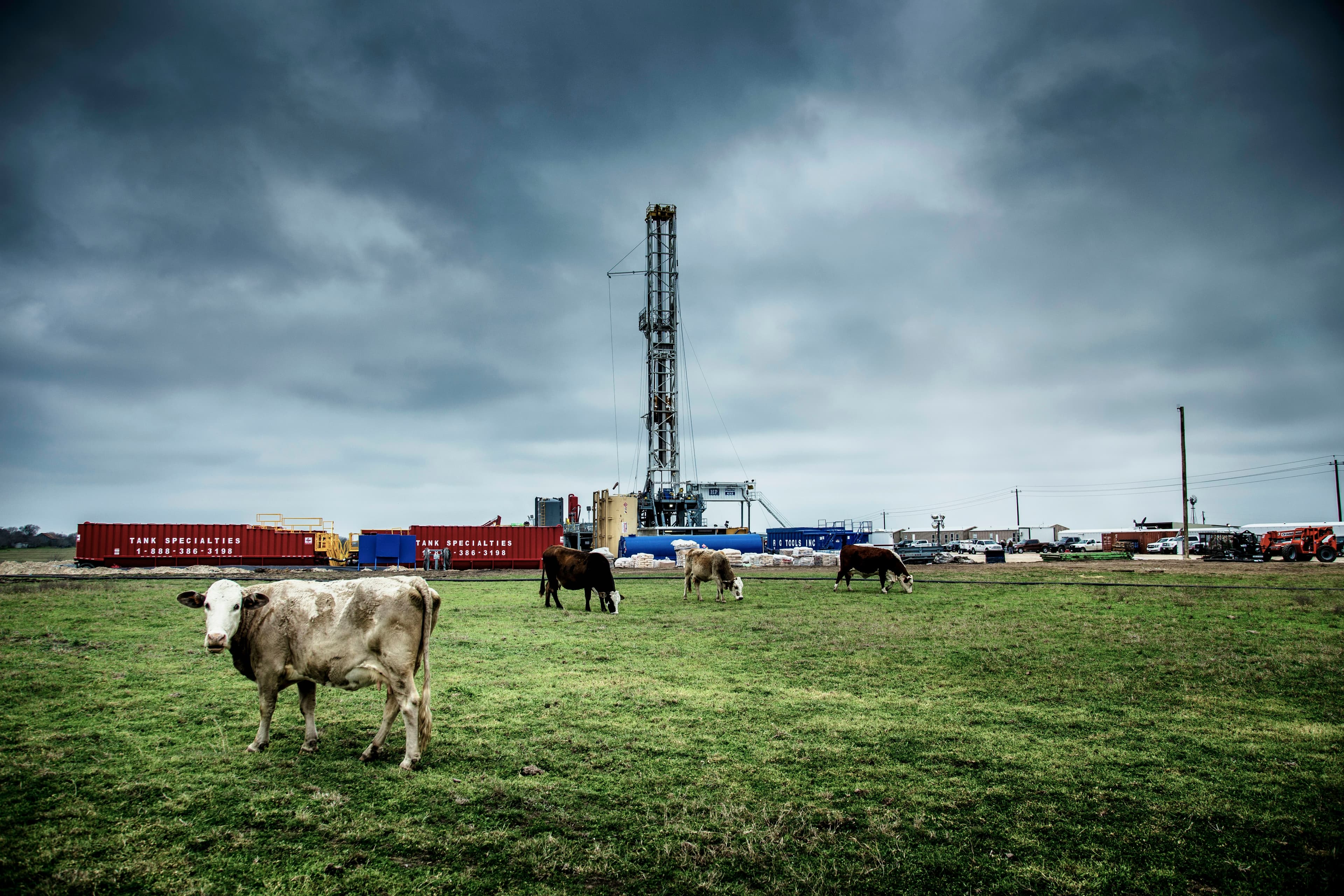
The highway is not where most oilfield truck losses start, though. Lease roads are caliche, rutted after rain, dusty in dry wind, and shared with pickups, rigs and other heavy trucks. Common Midland losses include rollovers on soft shoulders, backing incidents on location, and wildlife or livestock strikes on rural roads at night. Those claims hit physical damage and liability, and loss frequency is what drives Permian renewals.
MSAs and the insurance exhibit
Many Midland trucking companies work directly for operators or service companies under a master service agreement. The MSA's insurance exhibit often asks for additional insured status, waivers of subrogation, primary and non-contributory wording, pollution coverage and an umbrella. Those requirements usually follow you to every lease the customer controls. See what is primary and non-contributory, what is a waiver of subrogation and trucking umbrella insurance. Have an attorney review the indemnity language itself.
Common questions
Does my regular truck policy cover a produced water spill?
Not always. Many commercial auto policies limit pollution coverage to fuel and fluids from the truck itself, and general liability policies often exclude pollution from autos. Ask for the pollution wording in writing and compare it to what your MSA requires.
Do I need an RRC permit to haul saltwater in Midland County?
If you haul non-hazardous oil and gas waste, including produced water, for hire off the lease where it was generated, the RRC requires a waste hauler permit and an active Form P-5. The permit renews every year.
Why is crude hauling priced differently from general freight?
Crude oil falls in the 49 CFR 387.9 category that requires at least $1,000,000 in liability for interstate for-hire carriage, and tanker rollovers and spills are severe losses. Underwriters treat it as a separate class.
Sources
- RRC: District office locations. District 08 office at 10 Desta Drive, Midland.
- RRC: Oil and gas counties and districts. Midland and Ector counties in District 08.
- RRC: Drilling permit and completion statistics, July 2026. District-level permits and completions.
- RRC: Waste hauler permits. Who needs a permit, P-5 requirement, annual renewal and fee.
- TxDOT: I-27 System in Texas Implementation Plan (2024). I-27W through Midland; I-20 PHFS connection.
This page explains insurance, not law. Have your attorney review indemnity and contract language; our job is making the insurance match it.
Keep reading
By operation
What insurance does a Texas oilfield trucking company need?
Coverage
Truck pollution liability: when a spill is covered and when it is yours
By operation
What insurance does a Texas tanker operation need?
By operation
What insurance does a Texas hotshot operation need?
Locations
What should Odessa trucking companies check in their insurance?