The short version
- A hotshot rig is a commercial motor vehicle under federal rules once its gross vehicle or combination weight rating reaches 10,001 lbs, and for-hire interstate hauling at that size needs at least $750,000 of liability under 49 CFR 387.9.
- Inside Texas, TxDMV registration and a $500,000 liability filing are required when the vehicle or combination is over 26,000 lbs by gross weight, registered weight or rating; many brokers want $1 million regardless.
- The CDL line is based on ratings, not scale weight: a combination rated 26,001 lbs or more that tows a trailer rated over 10,000 lbs is a Class A (Group A) vehicle under 49 CFR 383.91.
- The usual hotshot gaps are a pickup insured on a personal policy, trailers left off the schedule, cargo limits too low for equipment loads, and drivers who do not hold the license class the rig requires.
Who this page is for
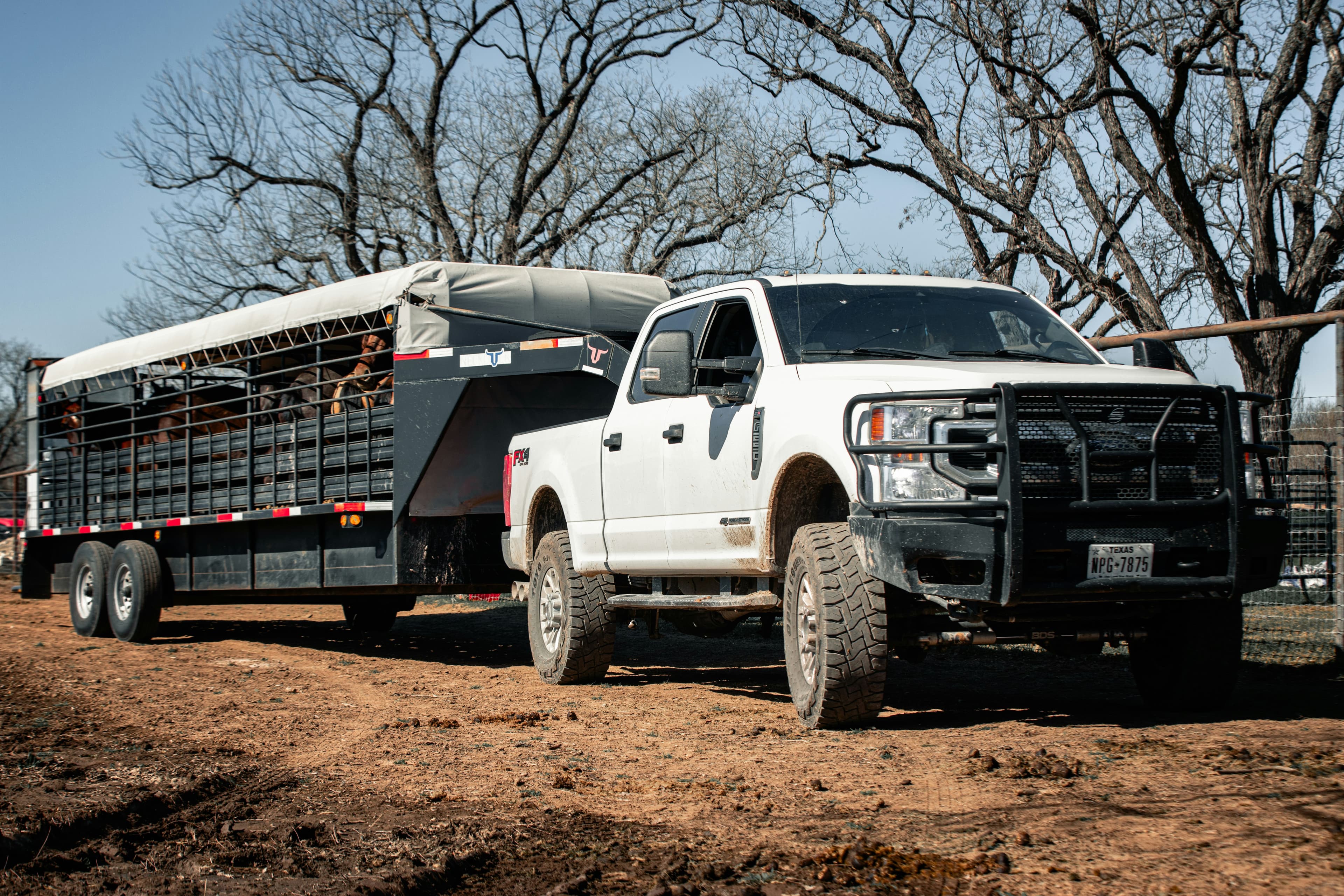
This page is for owner-operators and small fleets running a pickup (usually a one-ton dually or medium-duty truck) pulling a gooseneck, flatbed or dovetail trailer: oilfield parts and equipment, construction machinery, ag equipment, vehicles and expedited freight. In Texas, a lot of hotshot work starts in the oilfield (see oilfield trucking insurance), and a lot of hotshot carriers are new authorities. If that is you, the new authority page and what a new venture policy is are the right starting points.
Hotshot sits right on top of three regulatory lines, and which side of each line your rig falls on changes your insurance and filings.
The three weight lines that matter
10,001 lbs (federal CMV). Under 49 CFR 390.5, a vehicle is a commercial motor vehicle when its gross vehicle weight rating or gross combination weight rating, whichever is greater, is 10,001 lbs or more. In interstate commerce that brings federal safety rules, including driver medical certification (49 CFR 391.41). The federal financial responsibility table in 49 CFR 387.9 starts at the same line: $750,000 for for-hire interstate non-hazardous property.
Over 26,000 lbs (TxDMV). TxDMV requires intrastate registration for a commercial motor vehicle or combination with a gross weight, registered weight or gross weight rating over 26,000 lbs, and sets $500,000 as the liability minimum for those carriers. A small hotshot rig that stays at or under that line and does not haul placarded hazmat or household goods may not need a TxDMV number, but brokers and shippers set their own requirements.
26,001 lbs with a trailer over 10,000 lbs (CDL Class A). Under 49 CFR 383.91, a combination with a GCWR of 26,001 lbs or more, where the towed unit's GVWR is over 10,000 lbs, is a Group A vehicle. The test uses the manufacturer's ratings on the truck's door-jamb label and the trailer's VIN plate, not what the load weighed today. A one-ton pickup pulling a large gooseneck can easily be rated over this line.
Some operators build "non-CDL" combinations that stay under the CDL ratings. Whether a specific setup qualifies is a licensing question for DPS or FMCSA, not something an insurer can certify. What the insurer will do is check whether each driver holds the license the rig requires.
| Line | What it is measured by | What it triggers |
|---|---|---|
| 10,001 lbs | GVWR or GCWR, whichever is greater (49 CFR 390.5) | Federal CMV rules in interstate commerce; $750,000 minimum for for-hire interstate non-hazardous property (49 CFR 387.9); BMC-91X filing |
| Over 26,000 lbs | Gross weight, registered weight or gross weight rating (TxDMV) | TxDMV intrastate registration; $500,000 minimum; Form E filing |
| 26,001 lbs GCWR with trailer over 10,000 lbs GVWR | Manufacturer ratings (49 CFR 383.91) | Group A (Class A) CDL |
What brokers usually ask a hotshot carrier for
Hotshot carriers go through the same onboarding as larger fleets. Platforms such as RMIS, Highway and MyCarrierPackets check active authority, insurance filings and a certificate. Common sticking points for hotshot accounts:
- Liability limit. Many brokers want $1 million even though the federal minimum is $750,000. See why brokers require $1 million.
- Cargo limit. Equipment loads can be worth far more than the cargo limit a new hotshot carrier started with. The rate confirmation may name a higher limit for a specific load. See how much cargo brokers require.
- Authority age. Some brokers will not load very new authorities. That is a broker policy, not insurance, but insurance timing affects when your authority goes active. See how long until new authority is active.
- Trailer on the certificate. If the trailer is not on the policy, physical damage and sometimes the certificate itself will not match what shows up at pickup.
What underwriters weigh on hotshot accounts
- Driver experience, including towing experience specifically. New CDL holders and drivers new to trucking are a central issue. See can new CDL drivers get insured.
- Authority age and loss history. A new authority has no loss runs, so underwriters lean on the owner's driving and business history.
- Radius and lanes. Regional oilfield work and long-distance expedited work rate differently. See what radius means.
- Commodity. Oilfield equipment, machinery and vehicles each carry different cargo exposure.
- Equipment values. Pickups and goosenecks are often insured on a stated amount basis; make sure the number reflects what it would cost to replace the unit.
- Personal use of the pickup. If the same truck is the family vehicle on weekends, tell the underwriter.
Coverage gaps hotshot carriers run into
The pickup is on a personal auto policy
A personal auto policy is not built for for-hire trucking, and a personal insurer will not file a BMC-91X with FMCSA or a Form E with TxDMV. If the truck hauls freight for hire, it belongs on a commercial trucking policy.
The trailer is missing
Physical damage on the pickup does not insure the gooseneck. Schedule the trailer with its own value, and if you sometimes pull a customer's or borrowed trailer, see trailer interchange vs non-owned trailer.
Cargo too thin for the load
A single piece of oilfield or construction equipment can exceed a starter cargo limit. Check the cargo form for commodity exclusions (some exclude or limit machinery or vehicles) and confirm the limit before accepting the load. See motor truck cargo insurance.
Driver licensing mismatch
If a driver without the required CDL is driving a Class A combination, expect a coverage dispute. Many policies limit coverage to listed or approved drivers, and the MCS-90 may pay the public and then seek reimbursement from you. See what drivers trucking insurance can cover.
Leased to a carrier
If you run under another carrier's authority, its liability usually applies while you are under dispatch, and you need non-trucking or bobtail coverage for other use. See bobtail vs non-trucking liability.
Leased owner-operator: who covers what
Common questions
Do I need a USDOT number and insurance filing for hotshot in Texas?
If you haul for hire interstate with a rig rated 10,001 lbs or more, you need a USDOT number, operating authority and a BMC-91X filing for at least $750,000. If you stay in Texas and the rig is over 26,000 lbs, TxDMV registration and a Form E for at least $500,000 apply. See our page on whether intrastate carriers need a USDOT number.
Do I need a CDL to run hotshot?
You need a Class A CDL if the combination's GCWR is 26,001 lbs or more and the trailer's GVWR is over 10,000 lbs (49 CFR 383.91). The test uses ratings, not actual weight. If your combination is below those ratings, a CDL may not be required, but confirm with DPS or FMCSA.
Can I insure my hotshot pickup on my personal auto policy?
Not for for-hire freight. A personal policy is not designed for trucking operations and will not provide the federal or TxDMV filings your authority requires. Put the truck and trailer on a commercial trucking policy.
Why does the broker want $1 million when the law says $750,000?
The federal minimum is a floor. Brokers set their own requirements to manage their exposure when a carrier they hired has a serious crash. The $1 million limit is a common broker ask across freight types, not a hotshot-specific rule.
Do hotshot drivers need a medical card?
A driver of a commercial motor vehicle in interstate commerce, which includes a rig rated 10,001 lbs or more, must be medically certified under 49 CFR 391.41 and carry the certificate when on duty, with limited exceptions for certain CDL holders.
Sources
- 49 CFR 390.5 Definitions. Commercial motor vehicle at 10,001 lbs GVWR or GCWR, whichever is greater.
- 49 CFR 383.91 Commercial motor vehicle groups. Group A: GCWR 26,001 lbs or more with towed unit over 10,000 lbs GVWR.
- 49 CFR 387.9 Financial responsibility, minimum levels. $750,000 for for-hire interstate non-hazardous property at 10,001 lbs or more.
- TxDMV: TxDMV Number requirements. Over-26,000 lb registration threshold and $500,000 intrastate minimum.
- 49 CFR 391.41 Physical qualifications for drivers. Medical certification required to operate a CMV.
- TxDMV: How to be a motor carrier. Form E filed by insurer; carrier responsible for keeping the filing current.
This page explains insurance, not law. Have your attorney review indemnity and contract language; our job is making the insurance match it.
Keep reading
Contracts and deadlines
We just applied for our own authority. What insurance do we need, and when?
By operation
What insurance does a Texas oilfield trucking company need?
Questions
What is a new venture trucking policy?
Questions
Do Texas intrastate carriers need a USDOT number?
Questions
What is the difference between bobtail and non-trucking liability?
Coverage
Motor truck cargo insurance: what it pays, what it leaves out, and what brokers check