The short version
- Trailer interchange covers your legal liability for damage to a trailer you do not own while it is in your possession under a written trailer or equipment interchange agreement.
- On the ISO Motor Carrier Coverage Form it is its own section, triggered by symbol 69 (others' trailers in your possession) and symbol 70 (your trailers in others' possession).
- Your physical damage policy excludes your own trailer while someone else has it under an interchange agreement, unless symbol 70 is shown. Your liability policy excludes property in your care, custody or control. Trailer interchange fills the space between them.
- The ISO symbol requires a written agreement in which you assume liability for the trailer. If you pull a trailer with no written agreement, ask whether a non-owned trailer coverage is needed instead.
Why trailer interchange exists
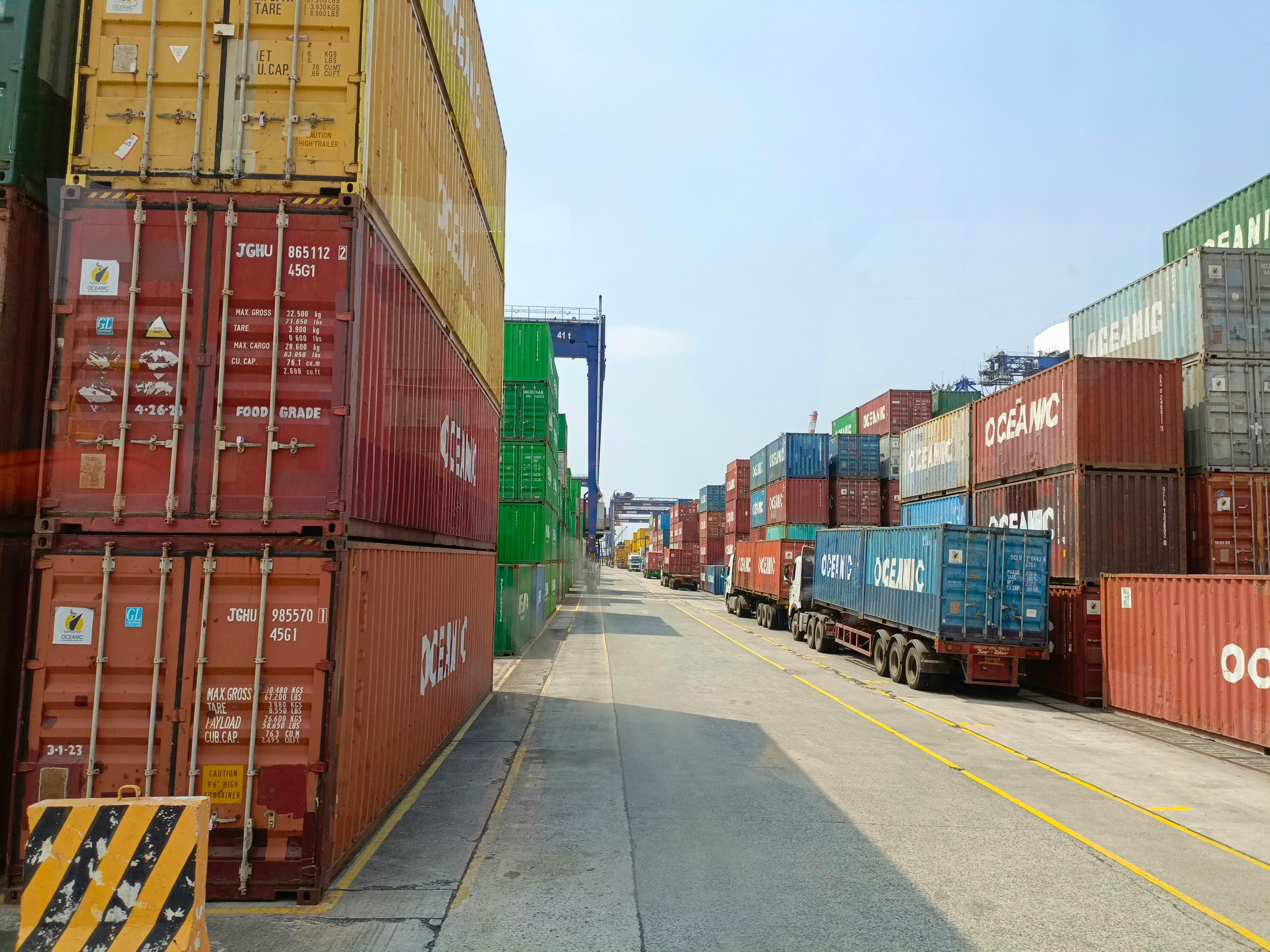
Carriers swap trailers. A power-only load, a drop-and-hook with a shipper's trailer, a pool of intermodal chassis and containers: in each case you are pulling equipment you do not own, and the agreement you signed almost always says you are responsible for loss to it while you have it. IRMI puts it simply: under an interchange agreement, the carrier in possession of the trailer is responsible for damage to it, whether or not the trailer is hitched to a tractor.
Your regular policies do not cover that responsibility:
- Your auto liability excludes damage to property in your care, custody or control. A trailer you are pulling is in your care.
- Your physical damage covers autos you own (and, for hired auto physical damage, autos you rent without a driver). It is not built for someone else's trailer under an interchange agreement.
Trailer interchange coverage pays the sums you legally must pay as damages because of loss to a trailer you do not own, or its equipment, and the insurer defends you against a suit for those damages.
How the ISO forms handle it
Motor Carrier Coverage Form (CA 00 20). Trailer interchange is Section III of the form. It is available in the same three flavors as physical damage: comprehensive, specified causes of loss, and collision. It is triggered by symbols:
- Symbol 69: trailers you do not own while in your possession under a written trailer or equipment interchange agreement in which you assume liability for loss to the trailers.
- Symbol 70: trailers you own or hire while in the possession of anyone else under a written trailer interchange agreement. When symbol 70 is shown next to a physical damage coverage, the exclusion for your trailer in someone else's possession does not apply.
The motor carrier form says its trailer interchange coverage is primary for any covered auto. For trailer interchange only, "trailer" also includes a container.
Business auto form (CA 00 01). Trailer interchange can be added with CA 23 98 (Trailer Interchange Coverage) or through the trailer interchange schedule in the Motor Carrier Endorsement (CA 23 30). Under CA 23 30, interchange losses are valued at the least of actual cash value, cost of repair, or the stated limit, less a per-trailer deductible.
Truckers Coverage Form (CA 00 12). On the older, withdrawn form, the trailer interchange symbols were 48 and 49. You may still see those numbers on old quotes or certificates.
| Coverage | Protects | Typical trigger |
|---|---|---|
| Trailer interchange (symbol 69 / CA 23 98) | Your liability for damage to someone else’s trailer | Written interchange agreement assuming liability |
| Physical damage with symbol 70 | Your own trailer while someone else has it | Your trailer out under a written interchange agreement |
| Non-owned trailer physical damage (varies by insurer) | Trailers you pull without a written interchange agreement | Policy-specific; read the form |
| UIIE-1 endorsement (CA 23 17) | Liability you assume under the UIIA for interchanged intermodal equipment | Intermodal drayage |
| Auto liability | Injury and damage to third parties caused by the rig | Any covered accident |
Intermodal: UIIA and the CA 23 17 endorsement
Drayage carriers pulling containers and chassis from ports and rail ramps generally sign the Uniform Intermodal Interchange and Facilities Access Agreement (UIIA), administered by the Intermodal Association of North America (IANA). The UIIA includes an indemnity in which the motor carrier defends and indemnifies the equipment provider and facility operator for claims tied to its use of the equipment and presence on the facility, with exceptions.
ISO's CA 23 17 (Uniform Intermodal Interchange Endorsement Form UIIE-1) extends auto liability to cover the liability you assume as a motor carrier participant under that indemnity, and requires the insurer to file a certificate with IANA and give it at least 30 days' notice of cancellation. It does not cover physical damage to the container or chassis. That is trailer interchange. A drayage carrier usually needs both. See drayage trucking insurance.
Where trailer interchange claims go wrong
No written agreement. The ISO symbol 69 requires a written trailer or equipment interchange agreement in which you assume liability. If you pull a shipper's trailer on a handshake or under a broker's rate confirmation that does not address the trailer, ask whether your coverage applies. Some insurers offer a separate non-owned trailer physical damage coverage for this; its terms vary. See trailer interchange vs non-owned trailer.
Limit too low. Trailer interchange is often written with a per-trailer limit. A new reefer trailer costs far more than an old dry van. Match the limit to the most expensive trailer you realistically pull.
Wrong coverage selected. If you bought only specified causes of loss, a collision with a bridge or an overturn is not covered. Most carriers want collision on interchange.
Contract terms beyond the policy. Some interchange agreements make you responsible for loss of use, per diem or administrative charges in addition to repair. The trailer interchange section of the ISO motor carrier form says plainly that it will not pay for loss of use, and it excludes loss due and confined to wear and tear or mechanical breakdown. Those contract charges can land on you. Have an attorney review the agreement and compare it to your declarations. See broker-carrier agreement insurance requirements.
Check this first
Pull every interchange or trailer use agreement you have signed, including power-only and drop-trailer programs. Note who owns the trailer, what you are responsible for, and the replacement value of the trailers. Then compare that to your symbol 69 or CA 23 98 limit and coverages.
Common questions
What does trailer interchange insurance cover?
Your legal liability for physical damage to a trailer you do not own while it is in your possession under a written trailer or equipment interchange agreement. It is written as comprehensive, specified causes of loss, collision, or a combination.
Do I need trailer interchange for power-only loads?
If you sign an agreement making you responsible for the trailer, usually yes. Your auto liability excludes property in your care, and your physical damage covers equipment you own or rent, not someone else's interchanged trailer.
Is trailer interchange the same as non-owned trailer coverage?
No. The ISO trailer interchange symbol requires a written interchange agreement. Non-owned trailer physical damage is an insurer-specific coverage some markets offer for trailers pulled without such an agreement. Compare both forms.
Does trailer interchange cover chassis and containers?
Under the Motor Carrier Coverage Form, "trailer" includes a container for trailer interchange coverage only. Intermodal carriers also usually need the CA 23 17 UIIE-1 endorsement for liability assumed under the UIIA.
What symbols are used for trailer interchange?
On the current ISO Motor Carrier Coverage Form, symbols 69 and 70. On the older Truckers Coverage Form, they were 48 and 49.
Sources
- IRMI: Trailer interchange insurance (CA 23 98). Covers legal liability for damage to trailers of others; carrier in possession is responsible whether or not hitched.
- Vertafore: Covered auto symbols for truckers. Truckers form symbols 48 and 49 for trailer interchange.
This page explains insurance, not law. Have your attorney review indemnity and contract language; our job is making the insurance match it.
Keep reading
Questions
What is the difference between trailer interchange and non-owned trailer coverage?
Coverage
Physical damage: how your own truck and trailer get paid for after a loss
By operation
What insurance does a Texas drayage carrier need to pull containers under the UIIA?
Coverage
Primary truck liability: what it covers, what the law requires, and where it breaks
Contracts and deadlines
A broker sent me a carrier agreement. What insurance does it actually require?